

How Patios, Walkways, and Walls Shape a Better Outdoor Space
Hardscaping plays a big role in landscape design because it adds structure, function, and balance to your outdoor space. While plants bring color and life, hard features like patios, walkways, and retaining walls give your yard shape and purpose. Together, they create a space that looks good and works well for daily living.
What Is Hardscaping and Why Does It Matter?
Hardscaping includes all the non-living elements in landscape design. This means patios, driveways, stone paths, decks, fire pits, retaining walls, and even outdoor kitchens. These features guide how people move through the yard and how the space gets used.
Without hardscaping, a yard can feel empty or messy. Grass and plants may grow well, but there is no clear direction. Adding stone, concrete, brick, or wood features gives the space order. It also helps define areas for seating, cooking, playing, or relaxing.
Creating Structure and Flow
One of the main jobs of hardscaping is to create structure. Think of it as the frame of a house. Plants are the decor, but the hard surfaces hold everything together.
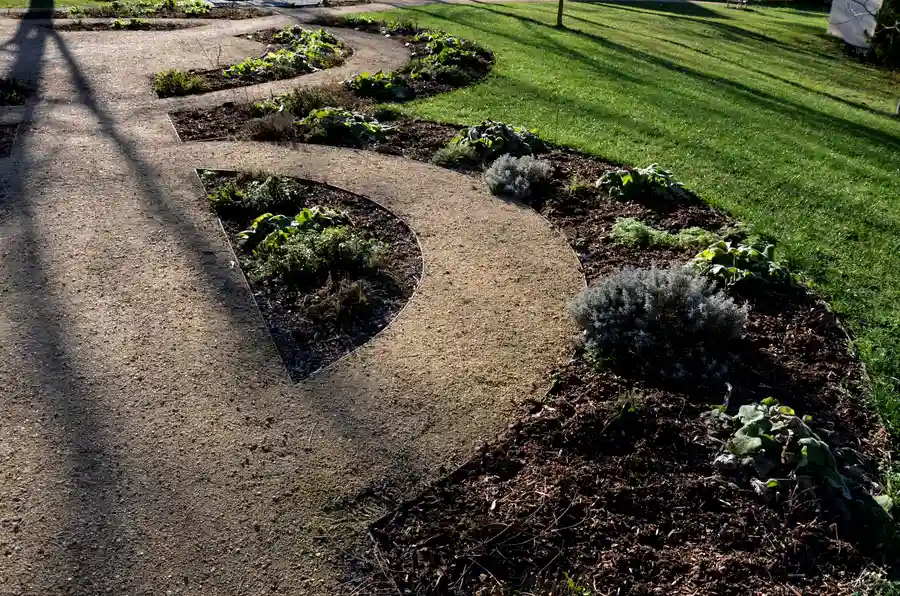
Walkways guide guests from the driveway to the front door. Garden paths lead people through planting beds. A patio creates a central meeting spot. These features improve flow and make your yard easier to enjoy.
- Walkways prevent worn grass paths.
- Patios provide stable seating areas.
- Retaining walls manage sloped land.
- Driveways improve access and safety.
When these elements are planned well, the entire landscape design feels complete and organized.
Adding Function to Outdoor Living
Hardscaping turns a yard into usable living space. A simple backyard can become an outdoor room with the right features in place.
For example, adding a paver patio gives you space for a table and chairs. A fire pit creates a gathering area during cool evenings. Stone steps make it easier to move between different yard levels. These features extend how and when you use your outdoor space.
In larger projects, hardscaping can include built-in seating walls or outdoor kitchens. These upgrades increase comfort and make the yard more inviting for family and friends.
Balancing Hard and Soft Elements
Good landscape design is about balance. Too many hard surfaces can make a yard feel cold. Too many plants without structure can look overgrown.
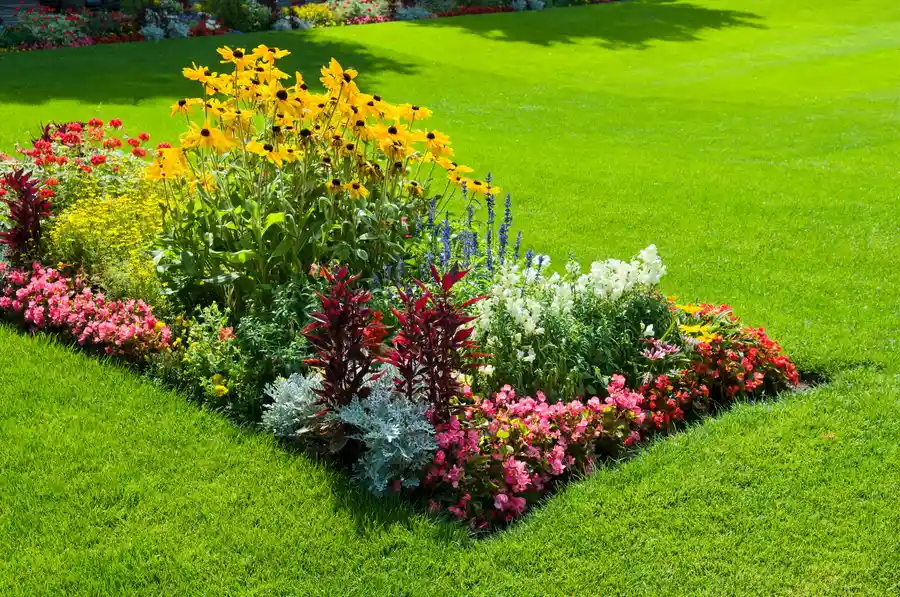
The key is mixing hardscaping with soft landscaping. For example, a stone patio bordered by shrubs and flowers feels warm and inviting. A retaining wall with cascading plants softens the look of stone or brick. This balance helps the space feel natural, not stiff.
Proper landscape planning makes sure hard features do not overwhelm the yard. Instead, they highlight the beauty of the plants around them.
Improving Drainage and Reducing Maintenance
Hardscaping also helps solve practical problems. In many yards, water drainage is a major issue. Pooling water can damage plants and create muddy areas.
Features like retaining walls, stone channels, and properly graded patios help move water away from the home. Permeable pavers allow rain to soak into the ground instead of running off.
Hardscaping can also reduce maintenance. Replacing high-traffic grass areas with stone or pavers means less mowing and fewer muddy patches. This is especially helpful for families with pets or children.
Boosting Curb Appeal and Property Value
Strong hardscaping makes a home stand out. A clean walkway, decorative driveway, or well-built front patio creates a great first impression.
Buyers often notice outdoor living areas when shopping for homes. A yard with thoughtful landscape design feels finished and ready to enjoy. It can also raise property value by improving both function and appearance.
Even small upgrades, like edging garden beds with stone or adding a short pathway, can make a visible difference.
Common Mistakes to Avoid
While hardscaping offers many benefits, poor planning can cause problems. Some common mistakes include:
- Installing features that are too large for the yard.
- Ignoring drainage and soil conditions.
- Using materials that clash with the home’s style.
- Skipping proper base preparation under pavers.
These errors can lead to cracking, shifting, or water damage. Careful design and proper installation prevent costly repairs later.
When to Work With a Professional
Simple projects like small gravel paths can be handled by skilled homeowners. Larger projects, such as retaining walls, patios, or major landscape planning, often require professional help.
A trained team understands grading, drainage, and material selection. They also know how to blend hardscaping into the overall landscape design so the yard looks natural and balanced.
Build a Strong Foundation for Your Outdoor Space
Hardscaping is the backbone of great landscape design. The right mix of patios, walls, and pathways adds structure, beauty, and function to your yard. At L and L Landscaping Frankfort, we help property owners create outdoor spaces that work for real life. If you are planning a project in Frankfort, IL, call us at (815) 793-2093 to talk about how we can design and build a space that fits your home and your needs.